
In today’s digital world, businesses face a constant threat of cyberattacks. From small startups to large corporations, no one is immune. A data breach can be devastating, leading to financial losses, reputational damage, and legal headaches. This is where cyber liability insurance comes in. It’s a crucial safeguard for any business operating online.
This comprehensive guide will break down everything you need to know about cyber liability insurance in a simple, easy-to-understand way.
The Digital Threat Landscape: Why Businesses are Targets
Before we dive into cyber liability insurance, let’s understand why businesses are such attractive targets for cybercriminals.
- Valuable Data: Businesses store a wealth of sensitive information, including customer data, financial records, employee details, and intellectual property. This data is highly valuable to hackers.
- Interconnected Systems: Modern businesses rely on complex networks and cloud services, creating more entry points for attacks.
- Human Error: Employees can inadvertently click on malicious links, open infected attachments, or fall victim to phishing scams, opening the door for cybercriminals.
- Ransomware Attacks: Cybercriminals encrypt a company’s data and demand a ransom payment to restore access. These attacks can cripple operations.
- Phishing and Social Engineering: Attackers trick employees into revealing sensitive information or granting access to systems.
Consider a small online boutique that stores customer names, addresses, and credit card information. If their website is hacked, that data could be stolen, leading to financial fraud for their customers and a huge mess for the boutique. This is exactly the kind of scenario cyber liability insurance helps with.
What is Cyber Liability Insurance?

Cyber liability insurance, also known as cyber insurance or data breach insurance, is a specialized type of insurance designed to protect businesses from the financial fallout of cyber incidents. It helps cover the costs associated with data breaches, cyberattacks, and other technology-related risks.
Think of it like car insurance for your digital assets. Just as car insurance covers you if you get into an accident, cyber liability insurance covers you if your business experiences a cyberattack.
It’s Not Just for Big Companies
Many small business owners mistakenly believe they are too small to be targeted. This is a dangerous misconception. In fact, small businesses are often easier targets because they may have fewer security measures in place.
Why is Cyber Liability Insurance Essential Today?
Here’s why cyber liability insurance isn’t just a nice-to-have, but a necessity in today’s digital economy:
- Mounting Costs of a Breach: The financial impact of a cyberattack can be astronomical. It includes forensic investigations, legal fees, notification costs, credit monitoring, and business interruption.
- Regulatory Compliance: Many industries have strict regulations regarding data privacy (e.g., GDPR, CCPA). A breach can lead to hefty fines for non-compliance.
- Reputational Damage: A data breach erodes customer trust and can severely damage a business’s reputation, potentially leading to lost sales and long-term consequences.
- Business Interruption: A major cyberattack can bring business operations to a grinding halt, leading to significant revenue loss.
- Evolving Threats: Cybercriminals are constantly developing new and more sophisticated attack methods. Staying ahead of them is a full-time job.
Example Scenario
Imagine a consulting firm that uses cloud storage for client documents. A ransomware attack encrypts all their files. Without cyber liability insurance, they would face:
- The cost of IT forensics to identify the source and severity.
- Potential ransom payment (if they choose to pay).
- Lost revenue due to inability to access client files and deliver services.
- Legal fees if clients sue for data loss.
- Public relations costs to manage their reputation.
Cyber liability insurance can cover many of these devastating costs.
What Does Cyber Liability Insurance Typically Cover?

The exact coverage of a cyber liability insurance policy can vary, but most policies include a combination of first-party and third-party coverages.
First-Party Coverage: Costs You Incur Directly
This covers losses your business directly experiences as a result of a cyber incident.
- Incident Response Costs:
- Forensic Investigation: Hiring experts to determine the cause and scope of the breach.
- Legal Advice: Consulting with lawyers specializing in cyber law.
- Public Relations/Crisis Management: Hiring professionals to help manage your company’s image during and after a breach.
- Notification Costs: The expense of informing affected individuals about the data breach, as often required by law.
- Credit Monitoring and Identity Theft Protection: Offering services to affected customers to protect them from identity theft.
- Business Interruption:
- Lost Profits: Compensation for income lost if a cyberattack disrupts your business operations.
- Extra Expenses: Costs incurred to get your business back up and running, such as renting temporary equipment or setting up alternative systems.
- Ransomware and Extortion:
- Ransom Payments: Coverage for payments made to cybercriminals to regain access to your data (though insurers may have conditions).
- Negotiation Expenses: Costs associated with negotiating with cybercriminals.
- Data Restoration:
- Data Recovery and Restoration: Costs to recover or restore lost, corrupted, or stolen data.
Third-Party Coverage: Costs Related to Others
This covers claims made against your business by customers, clients, or other third parties due to a cyber incident.
- Legal Defense Costs: Covering legal fees if you are sued by customers, clients, or regulatory bodies.
- Damages and Settlements: Paying for settlements or judgments awarded to third parties who have suffered harm due to your data breach.
- Regulatory Fines and Penalties: Covering fines imposed by government agencies for non-compliance with data protection laws.
- Media Liability: Coverage for claims arising from libel, slander, or copyright infringement related to your online content (e.g., website, social media).
Example: A marketing agency suffers a data breach that exposes client data. Their cyber liability insurance might cover:
- First-party: The cost of the forensic team to figure out how the breach happened.
- Third-party: The legal fees and potential settlement if a client sues them for negligence.
What is NOT Covered by Cyber Liability Insurance?
While cyber liability insurance is extensive, it doesn’t cover everything. Common exclusions often include:
- Future Lost Profits: It typically covers actual lost profits during the interruption, not speculative future earnings.
- Pre-Existing Cyber Incidents: Incidents that occurred before the policy’s effective date are usually not covered.
- Physical Damage: Damage to physical property (e.g., a server destroyed by a power surge, unless directly caused by a cyberattack covered by the policy).
- Acts of War or Terrorism (specific types): While some policies might cover cyberterrorism, general acts of war are typically excluded.
- Failure to Maintain Basic Security: If you can prove negligence in maintaining basic security protocols, coverage might be denied.
- Criminal Acts (beyond the cyber incident): If your company directly commits a crime that leads to a cyber event (e.g., deliberate data theft by an executive for personal gain).
It’s crucial to read your policy carefully and understand its specific terms and exclusions.
Key Factors Influencing Cyber Liability Insurance Costs
The cost of cyber liability insurance varies widely depending on several factors:
- Industry: Industries that handle a lot of sensitive data (healthcare, finance, retail) generally pay more.
- Business Size and Revenue: Larger businesses with more data and revenue typically have higher premiums.
- Type of Data Handled: Businesses handling highly sensitive data (e.g., medical records, credit card numbers) will face higher costs.
- Security Measures in Place: Businesses with robust cybersecurity practices (firewalls, encryption, multi-factor authentication, employee training) may qualify for lower premiums.
- Claims History: A history of previous cyber incidents can increase costs.
- Desired Coverage Limits and Deductibles: Higher coverage limits mean higher premiums. A higher deductible (the amount you pay before the insurance kicks in) can lower your premium.
Example Premium Comparison
| Business Type | Data Handled | Security Posture | Estimated Annual Premium (Example) |
|---|---|---|---|
| Small Retail Shop | Credit card data, customer names | Basic | $500 – $1,500 |
| Mid-sized Tech Company | Client data, intellectual property | Good | $2,000 – $5,000 |
| Healthcare Provider | HIPAA-protected patient data | Excellent | $4,000 – $10,000+ |
These are illustrative examples; actual premiums will vary based on many factors.
How to Choose the Right Cyber Liability Insurance Policy
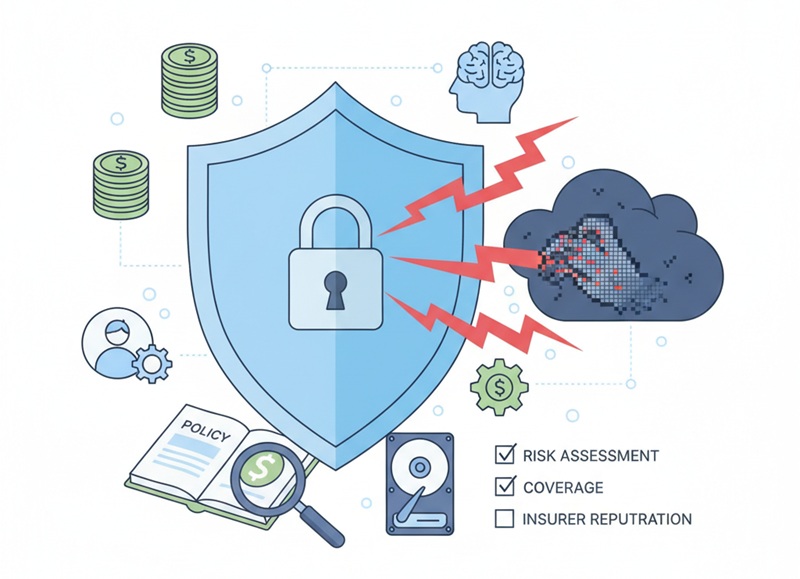
Selecting the right cyber liability insurance policy requires careful consideration. Here’s a step-by-step guide:
1. Assess Your Risk Profile
- What kind of data do you store? (Customer data, employee data, financial records, intellectual property?)
- How much data do you have?
- What are your biggest cyber threats? (Ransomware, phishing, insider threats?)
- What existing security measures do you have? (Firewalls, antivirus, backups, employee training?)
2. Understand Your Needs
- What are your biggest concerns? (Business interruption, regulatory fines, legal costs?)
- What is your budget for premiums?
- Do you need first-party, third-party, or both types of coverage?
3. Compare Policies from Different Providers
Don’t just go with the first quote you get. Shop around and compare offerings from multiple insurance carriers. Look at:
- Coverage Limits: Make sure they are adequate for your potential risks.
- Deductibles: Choose a deductible you can comfortably afford.
- Exclusions: Understand what the policy doesn’t cover.
- Reputation of the Insurer: Choose a reputable insurer with a strong track record.
- Value-Added Services: Some insurers offer additional services like cybersecurity assessments or incident response planning.
4. Work with an Experienced Broker
A knowledgeable insurance broker specializing in cyber liability insurance can be invaluable. They can help you:
- Assess your risks accurately.
- Navigate complex policy language.
- Compare different options.
- Negotiate better terms and premiums.
- Ensure you have the right coverage for your specific business needs.
5. Regularly Review and Update Your Policy
Your business evolves, and so do cyber threats. Review your cyber liability insurance policy annually to ensure it still meets your needs. If you’ve expanded operations, started handling new types of data, or implemented new technologies, your coverage requirements may have changed.
Steps to Take Even With Cyber Liability Insurance
While cyber liability insurance is a critical safety net, it’s not a substitute for good cybersecurity practices. Think of it like a seatbelt – it protects you during an accident, but you still drive carefully to avoid one.
Here are essential steps every business should take:
- Implement Strong Passwords and Multi-Factor Authentication (MFA): Force employees to use complex passwords and enable MFA wherever possible.
- Regular Software Updates: Keep all operating systems, applications, and security software up to date.
- Employee Training: Educate employees about phishing, social engineering, and safe online practices.
- Regular Data Backups: Back up your critical data frequently and store backups securely, ideally off-site.
- Firewalls and Antivirus Software: Use robust firewalls and up-to-date antivirus/anti-malware solutions.
- Encryption: Encrypt sensitive data both in transit and at rest.
- Access Control: Restrict access to sensitive data and systems on a “need-to-know” basis.
- Incident Response Plan: Develop a clear plan for what to do if a cyberattack occurs. This includes who to contact, what steps to take, and how to communicate with affected parties.
- Regular Security Audits: Periodically assess your cybersecurity posture to identify vulnerabilities.
A strong cybersecurity posture can also lead to lower cyber liability insurance premiums. Insurers look favorably on businesses that actively work to mitigate their risks.
Real-World Impact: Why It Matters
Let’s look at a hypothetical scenario to underscore the importance of cyber liability insurance:
- The Bakery Breach: “Sweet Delights Bakery” has an online ordering system that stores customer names, addresses, and credit card details. One day, a sophisticated hacking group exploits a vulnerability in their website software, accessing the customer database.
- Without Cyber Liability Insurance:
- Sweet Delights discovers the breach weeks later. They have to hire expensive IT forensics experts out of pocket to figure out what happened.
- They are legally obligated to notify thousands of customers, which is a costly and time-consuming process.
- Customers’ credit cards are used fraudulently, leading to a class-action lawsuit against the bakery.
- The bakery’s reputation is severely damaged, leading to a significant drop in online orders and in-store sales.
- They face potential fines from regulatory bodies for not adequately protecting customer data.
- The bakery struggles financially and is forced to lay off staff or even close down.
- With Cyber Liability Insurance:
- Their cyber liability insurance policy immediately kicks in.
- The insurer covers the cost of forensic investigation, legal counsel, and credit monitoring for affected customers.
- They provide public relations support to manage the crisis and restore customer trust.
- The policy covers legal defense costs and any settlements resulting from the lawsuit.
- Fines from regulatory bodies might also be covered, depending on the policy.
- Sweet Delights can recover much more quickly, minimizing financial damage and rebuilding their reputation.
- Without Cyber Liability Insurance:
This example illustrates how cyber liability insurance can be the difference between recovery and ruin for a business facing a cyber crisis.
Conclusion
The digital landscape is fraught with risks, and cyberattacks are no longer a matter of “if,” but “when.” For any business operating in the modern world, cyber liability insurance is an indispensable part of a comprehensive risk management strategy.
It provides a crucial financial safety net, protecting your business from the potentially catastrophic costs of a data breach or cyberattack. While robust cybersecurity measures are your first line of defense, cyber liability insurance is your essential backup plan.
Don’t wait until your business is in crisis to consider this vital protection. Evaluate your risks, understand your needs, and secure a comprehensive cyber liability insurance policy today. It’s an investment in the resilience and long-term success of your business in an increasingly digital world.
See more helpful articles:


Comments (No)